
Powertrain Protection
Internal lubricated parts of the engine and transmission, plus the drive axle and transfer case when the schedule includes them.
- Written into the schedule
- Deductible stated beside it
- Claim note uses the same words
// Welcome To Our Company
Home / Services
// Coverage Desk
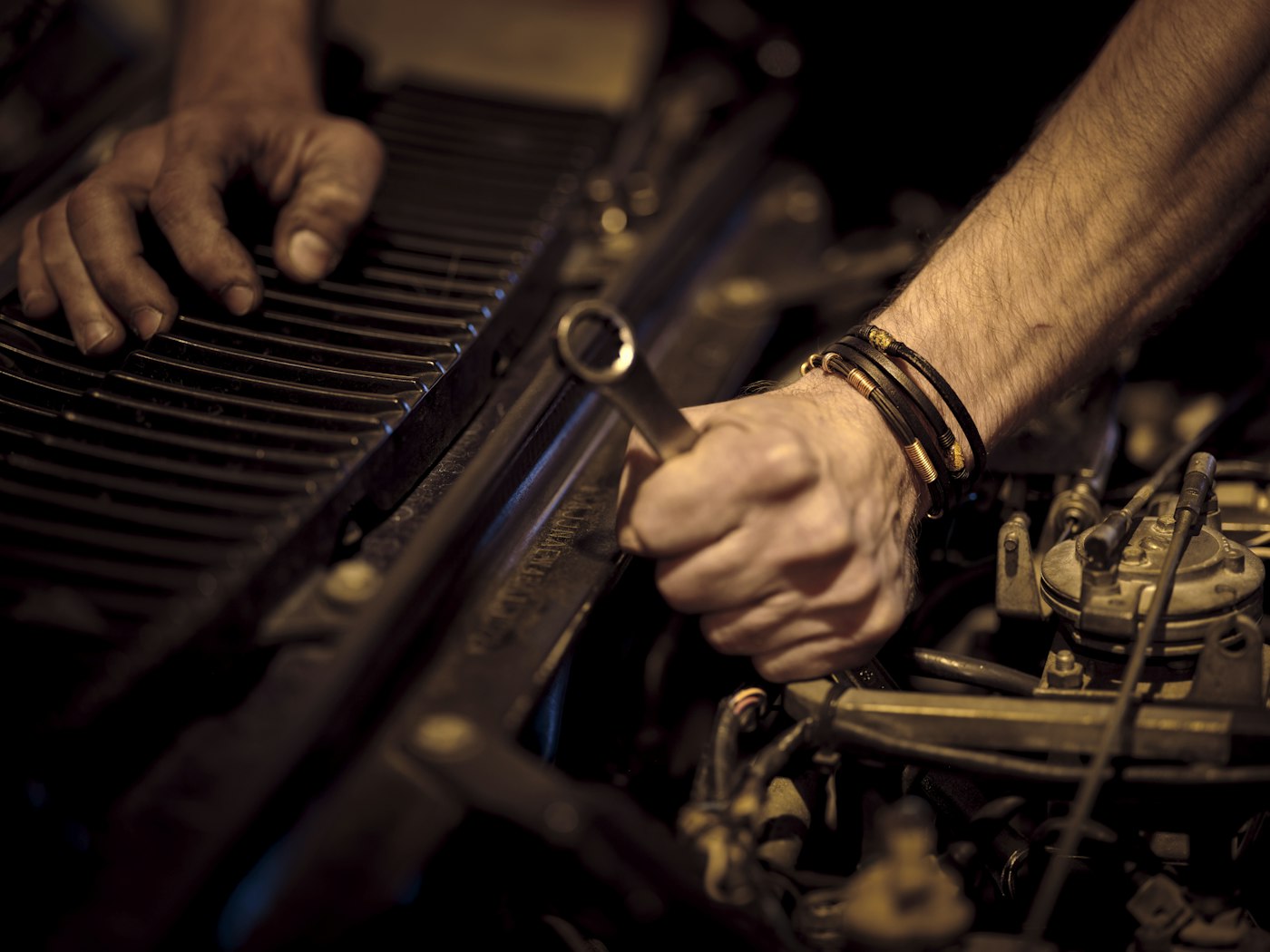
Pakdonkey services are contract services. We prepare warranty agreements, compare them with a vehicle’s age and miles, and review claim packets from repair partners. We do not sell parts across a counter, and we do not replace a workshop’s diagnosis.
Every service on this page can be read before you request a quote. If a system matters to you, ask the advisor to show the sentence that covers it. If that sentence does not exist, the honest answer is that the plan does not cover it.
// The Work
Internal lubricated parts of the engine and transmission, plus the drive axle and transfer case when the schedule includes them.
Steering gear, hydraulic brake parts, the air-conditioning compressor, and selected electrical units added on top of powertrain.
Control modules, sensors, and infotainment assemblies when your plan lists them. Software updates alone are not a mechanical failure.
A specialist checks the workshop packet against the contract and writes the decision, the deductible, and any missing item.
If you sell the vehicle, the remaining months and miles can move with it when the transfer steps in the contract are followed.
We explain which service records the agreement expects. The guidance does not replace the shop that performs the work.
Powertrain
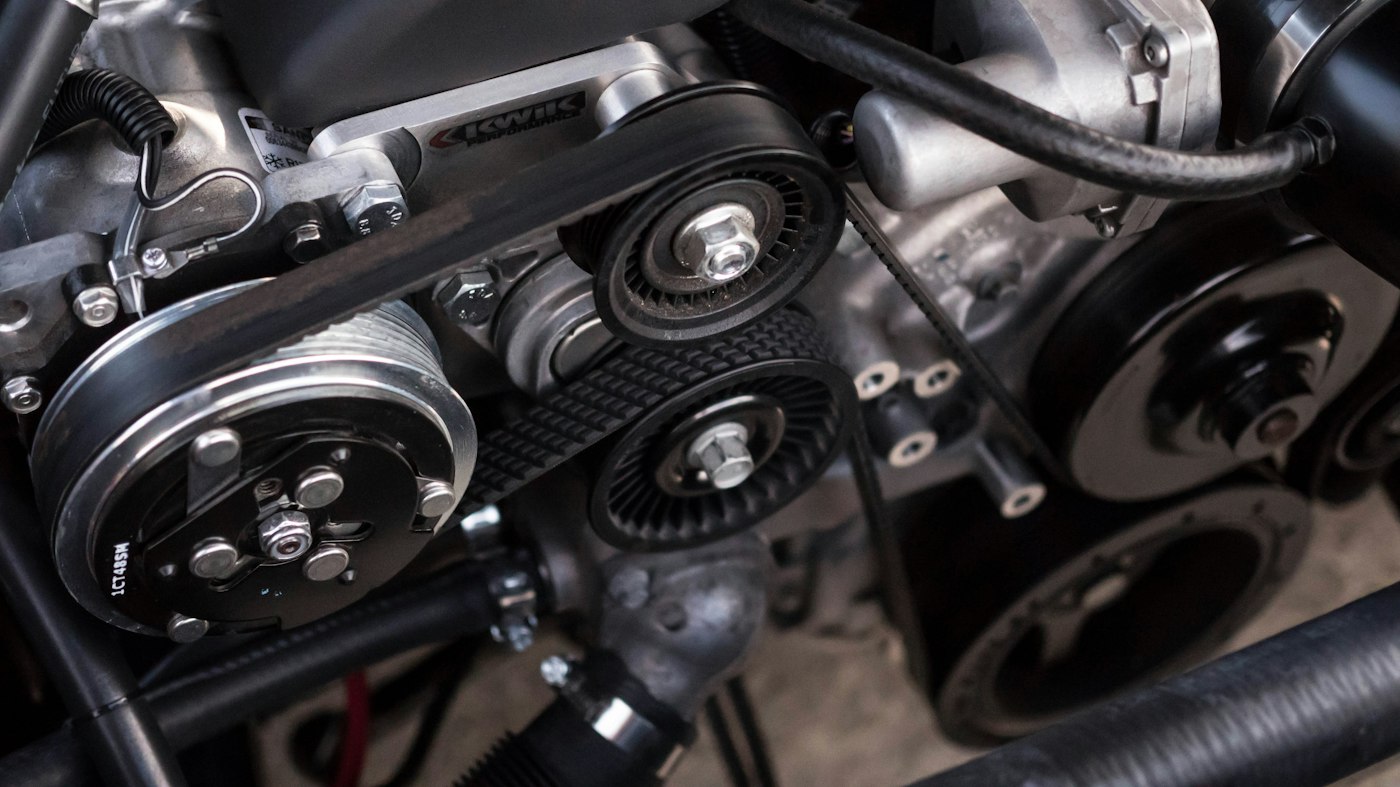
Pistons, crankshaft bearings, timing components, and the oil pump appear as their own lines when the powertrain schedule includes them.
Electrical
A control unit is a claim only when the workshop shows a fault that matches a listed part. A wanted upgrade is not a failure.
Claim files
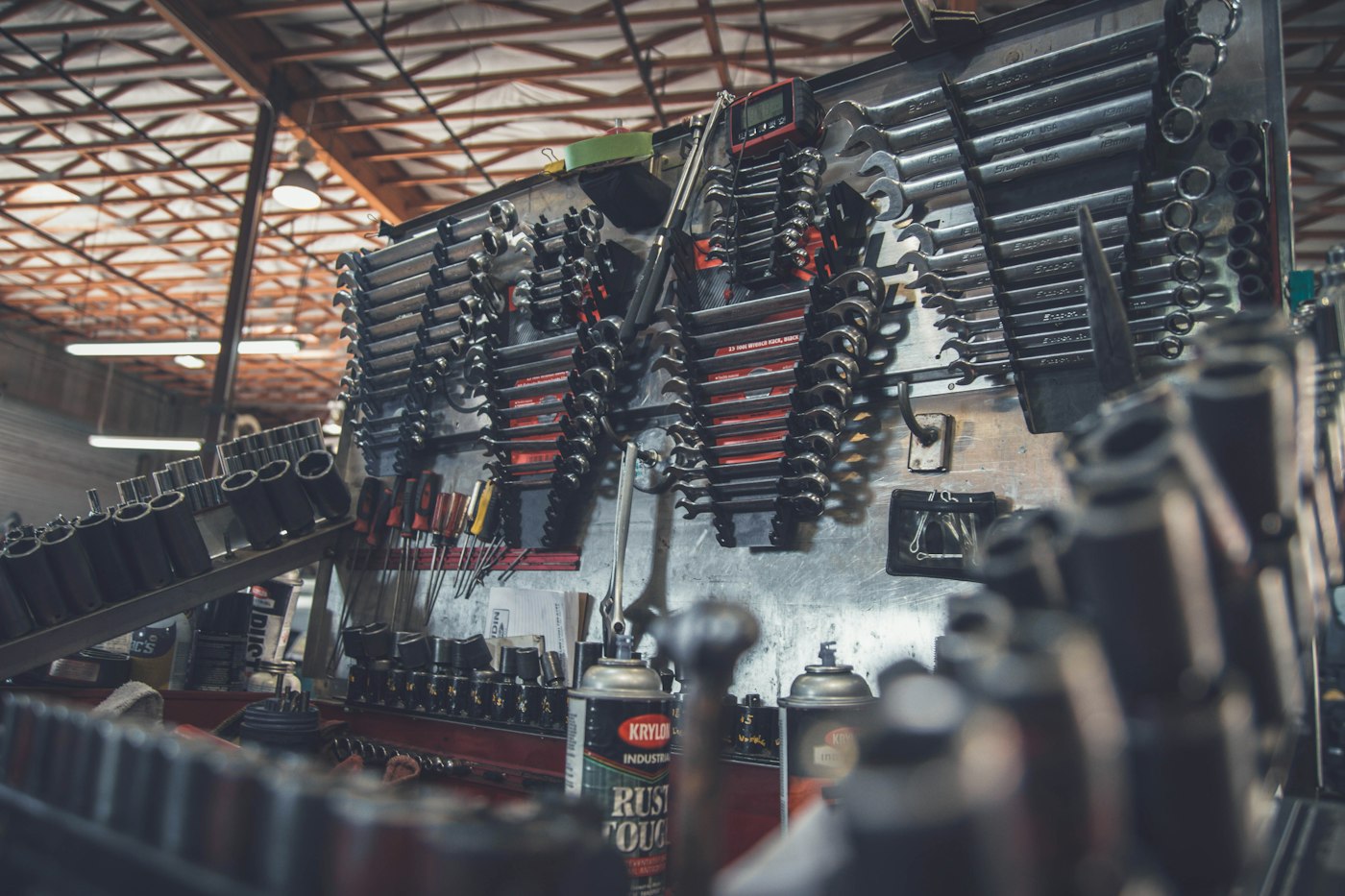
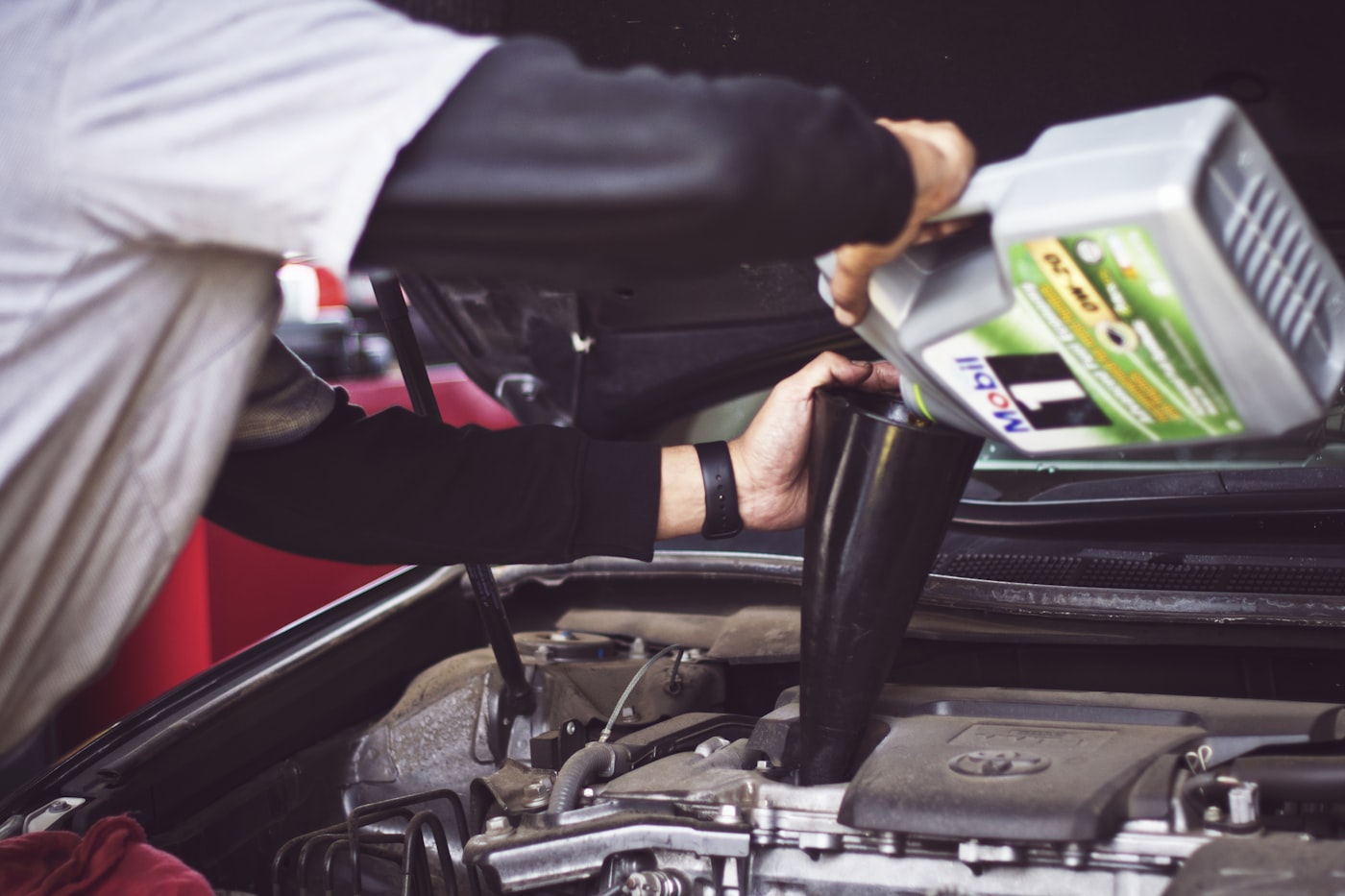
Partners photograph the failed component in place. That frame is what the claim note cites.
// A Claim, Start To Finish
A driver notices a slip in the transmission on a warm afternoon. The workshop confirms line pressure is out of range and that the valve body, which the contract lists, is the failed assembly. That is the moment a Pakdonkey file opens. It does not open because someone is worried, and it does not wait until the invoice is already paid.
The shop sends four things: the vehicle identification, the odometer, photographs of the assembly in the vehicle, and a short note of the test they ran. The claims lead compares those items with the schedule. If the part is listed and the term is still open, the note states the deductible and authorizes the repair up to the contract limit. If a seal is excluded, the note says so in the same paragraph, not in a later letter.
You get the decision by email. It repeats the contract number, the part name, the deductible, and whether any related labor is included. If we need another measurement, the email lists only that measurement. We do not ask for a stack of unrelated history to delay a listed part.
After the repair, the paid invoice and the claim note stay together. If you sell the vehicle, that file is part of what the next owner can ask to see, along with the miles and months still left on the term.
Descriptions here explain how Pakdonkey works. They are not themselves a warranty. Coverage, price, and exclusions exist only in the agreement you sign for a specific vehicle. Sample figures on the pricing page are illustrations so you can compare shape and scope before that conversation.
// Latest Notes
Short briefings from the same people who read claim files and draft plan language.
A useful powertrain agreement names the engine, transmission, and drive axle parts it stands behind, then states the deductible and the term in the same section.
Pakdonkey asks the workshop for the failed part, the measurement or fault code, and photographs before a claim note is closed. The file stays with the contract.
Oil services, fluid changes, and inspection stamps do not replace coverage, but a clean record stops a claim from stalling over a missing date.